Why Is New Orleans So Paranormal?
The real history behind New Orleans' paranormal reputation: above-ground cemeteries, layered Catholic and voodoo traditions, epidemics and disasters, and how to experience the haunted side of the city today.
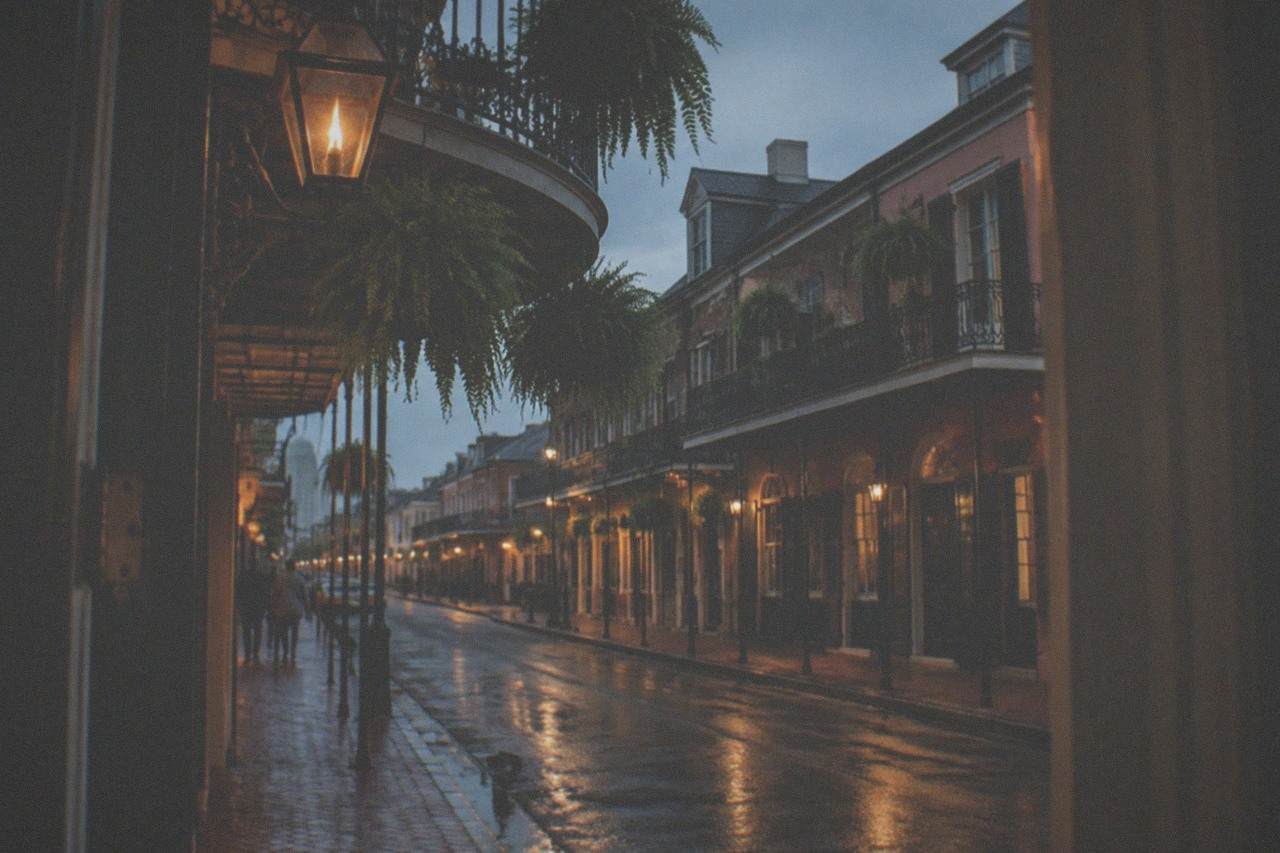
The French Quarter sits on ground that should never have held a city at all. Built on a swamp between a shifting river and a lake, repeatedly burned, flooded, struck by yellow fever and hurricanes, and buried in tombs that rise above the water table rather than below it, New Orleans has spent three centuries keeping its dead visibly close at hand. That combination, a landscape where the dead cannot be put underground, a documented history of catastrophe, and a religious culture where Catholic, African and Caribbean traditions merged rather than replaced one another, explains most of the city's paranormal reputation without a single ghost ever needing to appear. The reputation is real, in other words, because the history underneath it is real. This article walks through what actually built it, and then how to go experience the haunted side of the city on foot.
Why Is New Orleans So Paranormal?
New Orleans is considered paranormal because several forces converged in one place: a high water table that forced above-ground tombs, epidemic diseases that killed tens of thousands in recurring waves, catastrophic fires and floods that reshaped the city, and a religious culture where Catholic and voodoo traditions blended together. Add centuries of preserved architecture and generations of storytelling to visitors, and legend and documented history end up on the same streets.
Dig into any single element and it holds up on its own. The dead are literally visible: because the ground lies at or below sea level, burying a casket below ground often meant it would float back up during floods, so the city's cemeteries became rows of stone oven tombs and vaults, whole cities of the dead above ground and open to view. When you can see a cemetery from a streetcar window every day, the boundary between the living city and the dead one feels thinner than it does in a city where everyone is buried six feet under a lawn.
The disaster record is equally concrete. The city burned almost entirely in the Spanish colonial period, burned again within a few years of that first fire, was occupied and changed hands between empires, and lost thousands of residents to yellow fever epidemics that returned in wave after wave through the city's early decades. Every one of those events left bodies, ruins and stories. The tours that walk the Quarter today are, at their honest core, history tours with the lights turned down, and the operators themselves frame most of the hauntings as legend and narrative rather than settled fact.
If the goal is to feel that layered history in person rather than read about it, three formats cover the ground well: a general haunted walk through the Quarter, a history-focused ghost tour, and a licensed cemetery visit.
The "Voodoo and Vampire Themes" walk from The Witches Brew Tour Company is the most-reviewed walking tour of this kind on the roster, with a 4.5 rating across 3,221 reviews and tickets from $33. The "Haunted History, Guided Walk" from Haunted History Tours covers similar ground with a stronger historical framing, from $30 with a 4.5 rating across 2,293 reviews. For the cemetery half of the story, the "Cemetery No. 1, 55 Minutes" official walking tour is the licensed way into St. Louis Cemetery No. 1, from $25. Between them, a visitor gets the streets, the stories and the tombs in a single evening and morning.
Why Are The Dead Buried Above Ground In New Orleans?
New Orleans buries its dead above ground because the water table sits so high that underground burial was unreliable: coffins placed below ground could resurface during floods, and early graves sometimes literally floated. The solution was the above-ground oven tomb and vault cemetery, which turned burial into a visible, architectural part of the city and made the dead impossible to ignore in daily life. That visible closeness of the dead is the single biggest engine of the paranormal reputation.
The practical problem came first. In the earliest decades of the colony, bodies buried below ground in the low, wet soil would sometimes resurface after heavy rain, and the smell and the sight were both a health problem and a shock. The Spanish colonial period brought the European oven tomb design, a brick-and-plaster vault that could hold multiple family members and, in the local climate, naturally accelerated decomposition between uses. The design worked so well that whole cemeteries filled with them, row after row of white plaster tombs.
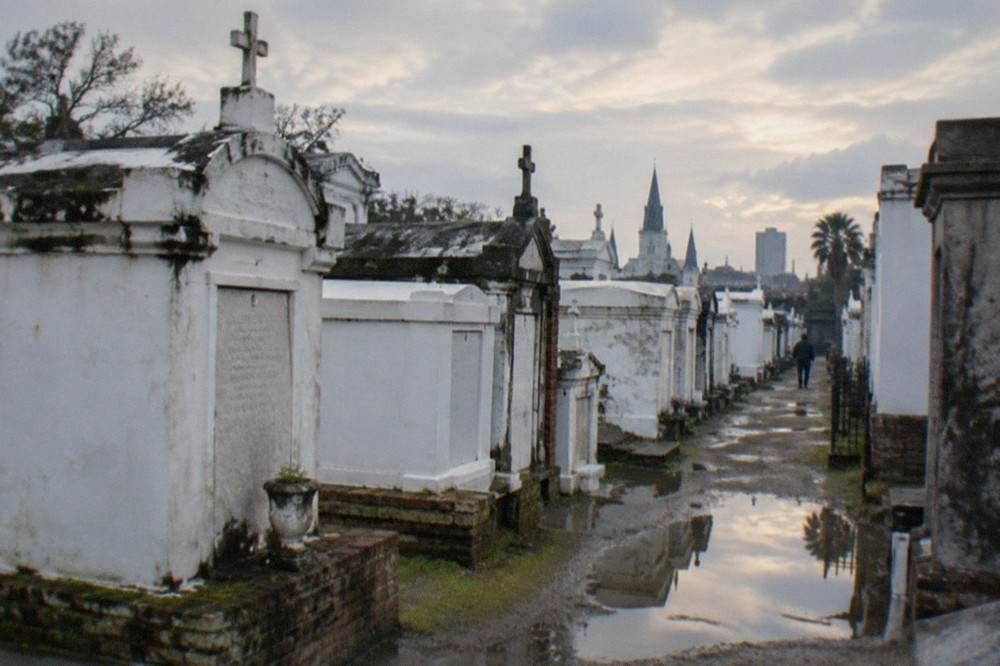
What this means for the visitor is that the cemeteries are not hidden away. St. Louis Cemetery No. 1 sits directly behind the French Quarter, a walled city of tombs that has stood there since the Spanish colonial era, holding the traditionally cited tomb of Marie Laveau, the voodoo queen whose legend the tours still tell. Because the Archdiocese of New Orleans restricted the cemetery to licensed, guided access in 2015 after repeated vandalism, the honest way in today is a booked tour; the official operator's listing describes the access arrangement directly on the St. Louis Cemetery No. 1 page. The official Cemetery No. 1, 55 Minutes tour is run by Cemetery Tours New Orleans, with Basin St. Station as the meeting point and runs on daytime departures, with a 4.5 rating across 4,684 reviews; confirm times and pricing on the live listing, the deepest review pool on this entire roster.
The wider cemetery landscape adds texture. St. Louis Cemetery No. 2 remains closed to the public for restoration. St. Louis Cemetery No. 3, out on Esplanade Avenue, is open to walk in freely during daylight hours, and the "Cemetery No. 3, Private Option" tour from Red Sash Tours, led by author and historian Sally Asher, visits it with a private option available, from $35 with a 5.0 rating across 479 reviews. Lafayette Cemetery No. 1 in the Garden District has been closed to general walk-in visitation since September 2019 and remains closed, with historical, non-ghost tours from the Preservation Resource Center scheduled to begin in early October 2026; the full story is in why Lafayette Cemetery is so famous.
| Cemetery | Access status | How to visit |
|---|---|---|
| St. Louis Cemetery No. 1 | Licensed-guide-only since March 2015 | Booked guided tour only, from $25 |
| St. Louis Cemetery No. 2 | Closed to the public for restoration | No public or tour access |
| St. Louis Cemetery No. 3 | Open to the public, free, daylight hours | Self-guided or the Red Sash Tours walk, from $35 |
| Lafayette Cemetery No. 1 | Closed since September 2019 | Historical PRC tours scheduled from early October 2026 |
How Did Disease And Disaster Build The Ghost Stories?
New Orleans' ghost stories trace directly to its catastrophe record: near-total fires in the Spanish colonial period destroyed most of the early city, recurring yellow fever epidemics killed tens of thousands, and hurricanes and floods repeatedly reshaped neighborhoods. Each wave of death left survivors, ruins and oral stories, and the stories hardened into the hauntings the tours now narrate. The legends are attributed lore, but the deaths behind them are documented history.
The fire record alone is remarkable. A Good Friday fire in the Spanish era burned the majority of the city, and a second fire a few years later destroyed much of what had been rebuilt. The rebuilt city, the one visitors walk today, is largely late Spanish colonial in its footprint, which is why so many "haunted" buildings have deep, layered pasts: the structures survived disaster after disaster while their occupants did not always survive the epidemics.
Yellow fever was worse. The epidemics returned through the city's early decades, striking hardest in the years before mosquito transmission was understood, and the death tolls were enormous relative to the city's population. Disease shaped the architecture of death: the above-ground tombs, the mortuary chapels, the funeral traditions. It also shaped the stories. When death arrives in waves and the causes are invisible, a culture explains it however it can, and in New Orleans the explanations drew on every tradition present in the city.
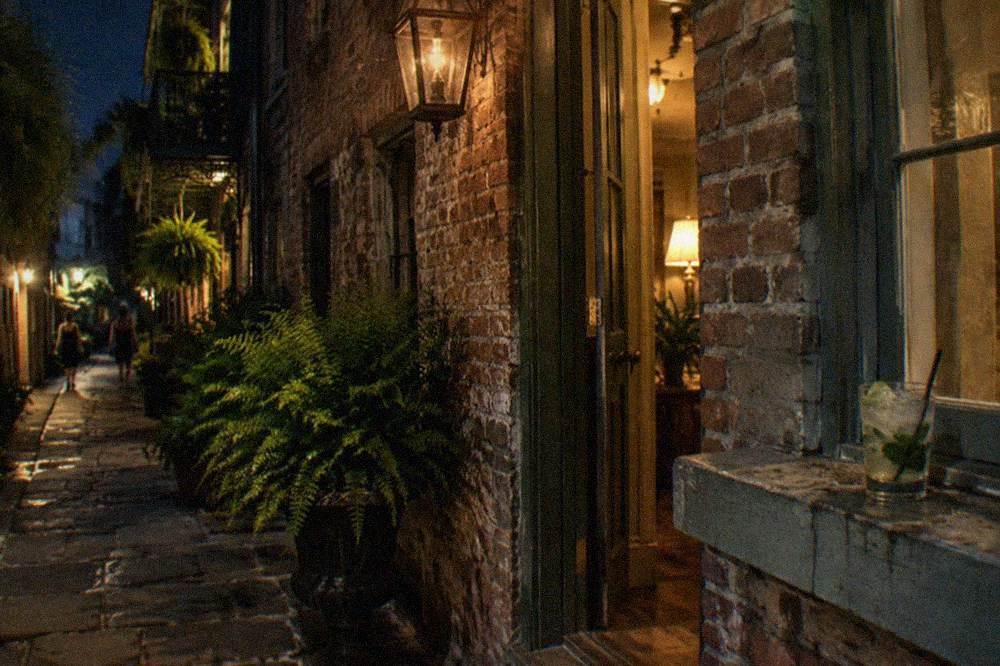
The LaLaurie Mansion at 1140 Royal Street is the clearest example of how documented atrocity becomes legend. The house's history of enslavement and cruelty, discovered when a fire forced an investigation, is real record. The hauntings are the legend layer on top: as the tours tell it, the building remains the most haunted in the Quarter. The mansion is a private residence today, sold in late 2024 to Lance Zaal, founder of US Ghost Adventures, and no tour enters it; every product on this roster views the exterior from the street only, and the city's reporting on the sale is covered in the LaLaurie Mansion guide.
The tours that carry these stories are honest about the framing when you look closely at their listings. The "Voodoo and Vampire Themes" walk attributes its material to the city's documented past and its legend tradition, and the meeting point at 311 Exchange Pl, which may vary by departure, is confirmed on the live listing. The "Ghost and Vampire Walk" from French Quarter Phantoms, from $21 with a 4.7 rating across 2,541 reviews, the highest-rated vampire-themed tour on the roster, ends at Jackson Square, which puts the story's finish line at the literal center of the old city.
What Do Voodoo And Catholic Traditions Share In New Orleans?
Voodoo and Catholicism did not replace each other in New Orleans; they layered. Enslaved and free Africans, Haitian and Caribbean immigrants, and French and Spanish Catholics all practiced on the same ground, and over time the saints of one tradition mapped onto the spirits of another. Marie Laveau, a devout Catholic who also led the city's voodoo practice, is the walking embodiment of that blend, and her tomb remains the most visited in the city's most famous cemetery.
The overlap is not a modern invention for tourists. Catholic processions and voodoo ceremonies coexisted in the city's early history, and the two traditions shared calendars, saints and, in the figure of Laveau, people. Laveau attended Mass and was widely respected as a healer and community figure; the supernatural powers attributed to her are the legend layer, the tours' own narrative, while her historical existence and influence are documented. Her traditionally cited tomb in St. Louis Cemetery No. 1 is the stop every cemetery tour builds toward, and visitors still mark it, though the cemetery's licensed-access rules mean you can only reach it with a booked guide.
That blend explains a piece of the paranormal reputation that pure disaster history does not. A city where two religious frameworks both acknowledge an active, present spiritual world, where spirits intercede and the dead remain involved in daily life, produces a culture where a ghost story is not an oddity but a normal category of event. The voodoo framing also feeds the vampire lore: the "Casket Girls" legend of colonial-era orphans arriving with coffin-shaped luggage, as the tours tell it, got tangled into vampire mythology over generations of retelling.
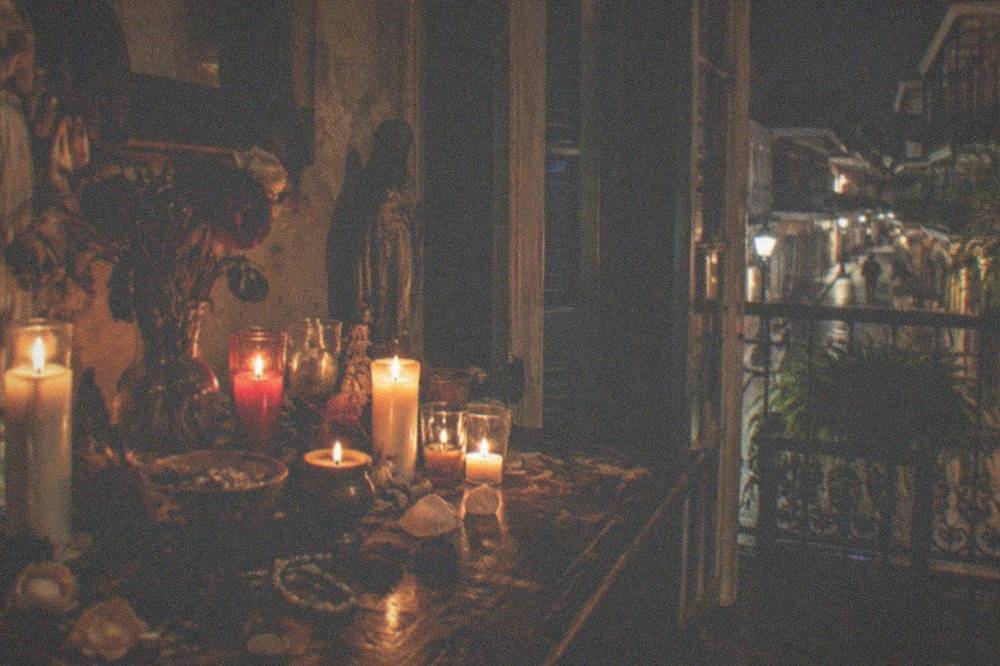
For visitors who want the voodoo side of this specifically, the "Voodoo and Vampire Themes" walk is the roster product built around it, and the city's tour guides are licensed by the city itself, a process that requires a written history and culture exam with a 70% minimum score under the city's tour guide permit rules. That detail matters more than it sounds: the person narrating the Laveau story to you on a paid tour has passed a city exam on New Orleans history to be there.
Is The Paranormal Reputation Just Marketing?
Partly, but not mostly. New Orleans has sold its ghost stories to visitors for generations, and the modern tour industry amplifies the legends hard, but the underlying material is real: the tombs, the epidemic deaths, the fires, the documented atrocities and the genuine religious syncretism all predate the tours. The honest framing is that the history is verified, the hauntings are attributed legend, and the tours are the delivery mechanism that connects the two.
The commercial layer is worth being clear-eyed about. Fourteen bookable haunted products operate in the city right now, from an $18 pub crawl to a $55 bus tour, and October pushes demand to the point where operators advise booking one to two weeks ahead. The city's official Halloween parade, the Krewe of Boo, has rolled annually since 2007, and the 2026 parade is scheduled for Saturday, October 24, per the krewe's official site. The parade and the tour industry feed each other, and both feed on the same documented past.
But strip the marketing away and the raw material survives. The cemetery access rules exist because real vandalism damaged real tombs. The tour guide licensing exam exists because the city decided narrating its history is a regulated profession. The LaLaurie Mansion's reputation exists because a documented atrocity occurred there, not because a marketing department invented one. Even the weather is part of it: hurricane season runs June 1 to November 30, per NOAA's tropical cyclone climatology, and the 2026 season has tracked well below normal so far, a fact that shapes autumn travel but does not touch the underlying stories.
The distinction to hold onto as a reader: when a tour says a building is haunted, that is the operator's narrative, and the listings themselves frame it that way. When the same tour says the building burned in the colonial era or that the cemetery closed to walk-ins in 2015, that is checkable fact. The best tours are the ones comfortable with both registers at once.
How Do You Actually Experience Haunted New Orleans?
Pick one evening walking tour, one daytime cemetery tour, and, if you're 21 or older, one haunted pub crawl, in that order. The walking tour covers the legends where they happened, the cemetery tour covers the tombs and the licensed access, and the pub crawl adds the bars the stories live inside. Every product on the roster allows free cancellation up to 24 hours before.
The evening walk is the entry point. The "Voodoo and Vampire Themes" tour, from $33, runs 1.5 to 2 hours from the French Quarter and carries the deepest review pool of any walking tour on the roster, 4.5 across 3,221 reviews, with a "likely to sell out" flag on its listing. The "Interior Visit, 2 Hours" tour from Tour Orleans, from $37, adds entry inside a haunted location rather than exterior storytelling only, with a 4.5 rating across 1,109 reviews. Both meet on Decatur Street or Exchange Place, a few minutes' walk from most Quarter hotels, so the logistics are trivial.
The daytime half is the cemetery. The "Cemetery No. 1, 55 Minutes" official tour at $25 is the cheapest and most-reviewed route into St. Louis Cemetery No. 1, departing every 15 to 30 minutes from Basin St. Station, and its urgency flags on the listing, more than 10 bookings in the past six hours, are a fair signal of how October demand runs. If the schedule allows a slower morning, the "Cemetery No. 3, Private Option" walk with Sally Asher offers a 5.0-rated, small-group alternative in the quieter of the two St. Louis cemeteries.
| Experience | Decision name | Price | Duration | Rating |
|---|---|---|---|---|
| Evening ghost walk | Voodoo and Vampire Themes | From $33 | 1.5-2 hours | 4.5, 3,221 reviews |
| History-focused walk | Haunted History, Guided Walk | From $30 | 2 hours | 4.5, 2,293 reviews |
| Official cemetery visit | Cemetery No. 1, 55 Minutes | From $25 | 55 minutes | 4.5, 4,684 reviews |
| Haunted pub crawl (21+) | 21+ Pub Crawl, LaLaurie | From $37 | 2 hours | 4.5, 2,212 reviews |
For the 21-and-over crowd, the haunted pub crawl completes the set. The "21+ Pub Crawl, LaLaurie" tour from New Orleans Ghost Adventures, from $37, visits Lafitte's Blacksmith Shop Bar and passes the LaLaurie Mansion exterior, with a complimentary drink at the last stop and other drinks at your own cost. Louisiana's drinking age is 21 and a valid government photo ID is required, so these are adults-only products, plainly stated on the listings. New Orleans' famous go-cup allowance helps here, but it is zone-bound: plastic or foam cups are fine within the defined French Quarter area, upriver of Canal, lakeside of Rampart, downriver of Esplanade, and glass is banned there.
Deciding which single tour fits you best comes down to format and budget, and the comparison in the best ghost tour guide walks through all fourteen products by category. If the question is simpler, whether the whole idea is worth an evening at all, whether a ghost tour is worth it in New Orleans covers the honest case both ways.
When Is The Best Time To Go Looking For Ghosts?
October is the peak, and late October in particular: the weather cools, the Halloween season fills the city with costumed events, and tour demand runs highest, so book one to two weeks ahead. March through May works nearly as well with milder weather and thinner crowds. Summer tours run nightly but the heat and humidity are punishing, and hurricane season, June 1 through November 30, is worth watching even in a quiet year.
The seasonal logic follows the climate. New Orleans averages daytime highs around 90 degrees from June through September with humidity that pushes the heat index higher, which is brutal for a two-hour outdoor walk. By October the average high drops to the low 80s and evenings fall into the mid 60s, which is close to ideal for standing on a street corner listening to a story. November is cooler still. The city's own event calendar concentrates the spooky atmosphere in the last week of October, from the Krewe of Boo parade through Halloween night itself, and that concentration is why October availability tightens early.
The practical advice is straightforward. Book the walking tour for whichever evening you arrive, take the cemetery tour the following morning, and leave the pub crawl for the second evening once you know your legs. Every product on this roster allows free cancellation up to 24 hours before, so booking ahead in October costs nothing if the plan changes. For visitors who want the full seasonal picture, the month-by-month breakdown lives in the best time for a New Orleans ghost tour.
Whatever the month, the reason to go is the same one that built the reputation. New Orleans Haunted Tours walks the same streets where the fires, the epidemics, the tombs and the layered religions all actually happened, and the best guides are honest about which parts are record and which parts are the city's three-century conversation with its own dead. That conversation is the real answer to the question, and it is still running nightly.
Common Questions About Why New Orleans Is So Paranormal
why is new orleans so paranormal?
A rare convergence of factors: a high water table that forced above-ground burial, recurring yellow fever epidemics and catastrophic fires, hurricanes and floods, and a culture where Catholic and voodoo traditions blended rather than competed. The dead stayed visibly present, the disasters kept generating stories, and centuries of preserved architecture kept the settings intact.
Is New Orleans actually the most haunted city in America?
There is no objective ranking, and any "most haunted" claim is marketing framing rather than measurement. What is verifiable is that New Orleans has an unusually deep documented history of death and disaster, visible above-ground cemeteries, and a continuous ghost-story tradition, which together make it the strongest candidate on reputation alone.
Can you visit Marie Laveau's grave?
Yes, but only with a licensed guide. Her traditionally cited tomb is in St. Louis Cemetery No. 1, which has been restricted to authorized guided tours since March 2015, with no independent walk-in access. A booked cemetery tour, from $25 on this roster, is the honest way in.
Are the ghost stories on the tours real?
The history behind them is real and checkable: the fires, the epidemics, the documented LaLaurie atrocity, the cemetery access rules. The hauntings themselves are legend and operator narrative, and the better tours frame them that way. Treat the ghosts as the city's oral tradition, delivered by guides who passed a city history exam to earn the permit.
What is the best tour to experience the paranormal side of the city?
For a first visit, the "Voodoo and Vampire Themes" walk, from $33 with a 4.5 rating across 3,221 reviews, covers the broadest range of lore in 1.5 to 2 hours. Pair it with the official St. Louis Cemetery No. 1 tour, from $25, for the tomb side of the story.
When is the best month for a ghost tour in New Orleans?
October, when evening temperatures fall into the mid 60s, the Halloween season fills the city with events, and demand peaks, so book one to two weeks ahead. March through May is the quieter alternative with similarly comfortable walking weather.